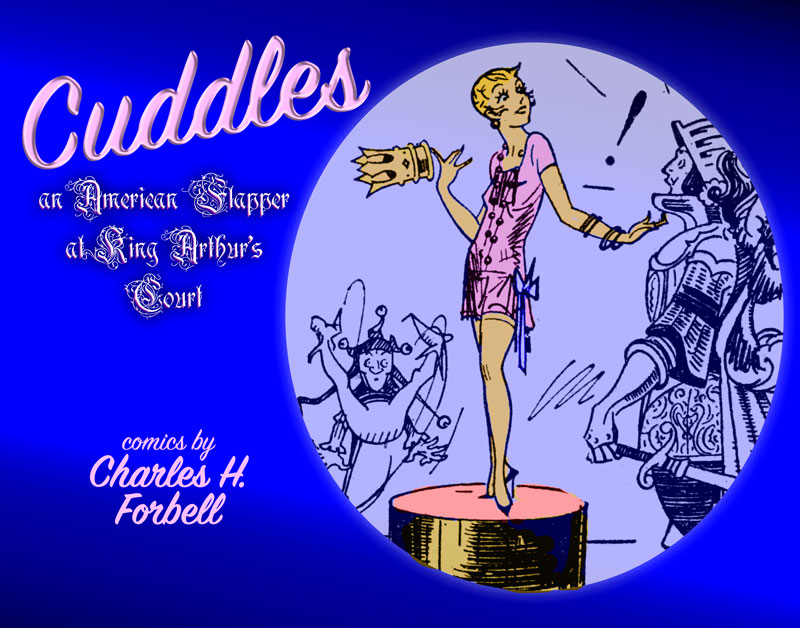
What happens when a Roaring ’20s party girl finds herself transported back in time to Camelot? Practically everything!- 118 pages, black and white, 11″x8.5″
- ISBN 978-1-949996-94-4
- Not available from Amazon. Order at Lulu.com!
Publishing things that ought to be published
What happens when a Roaring ’20s party girl finds herself transported back in time to Camelot? Practically everything!
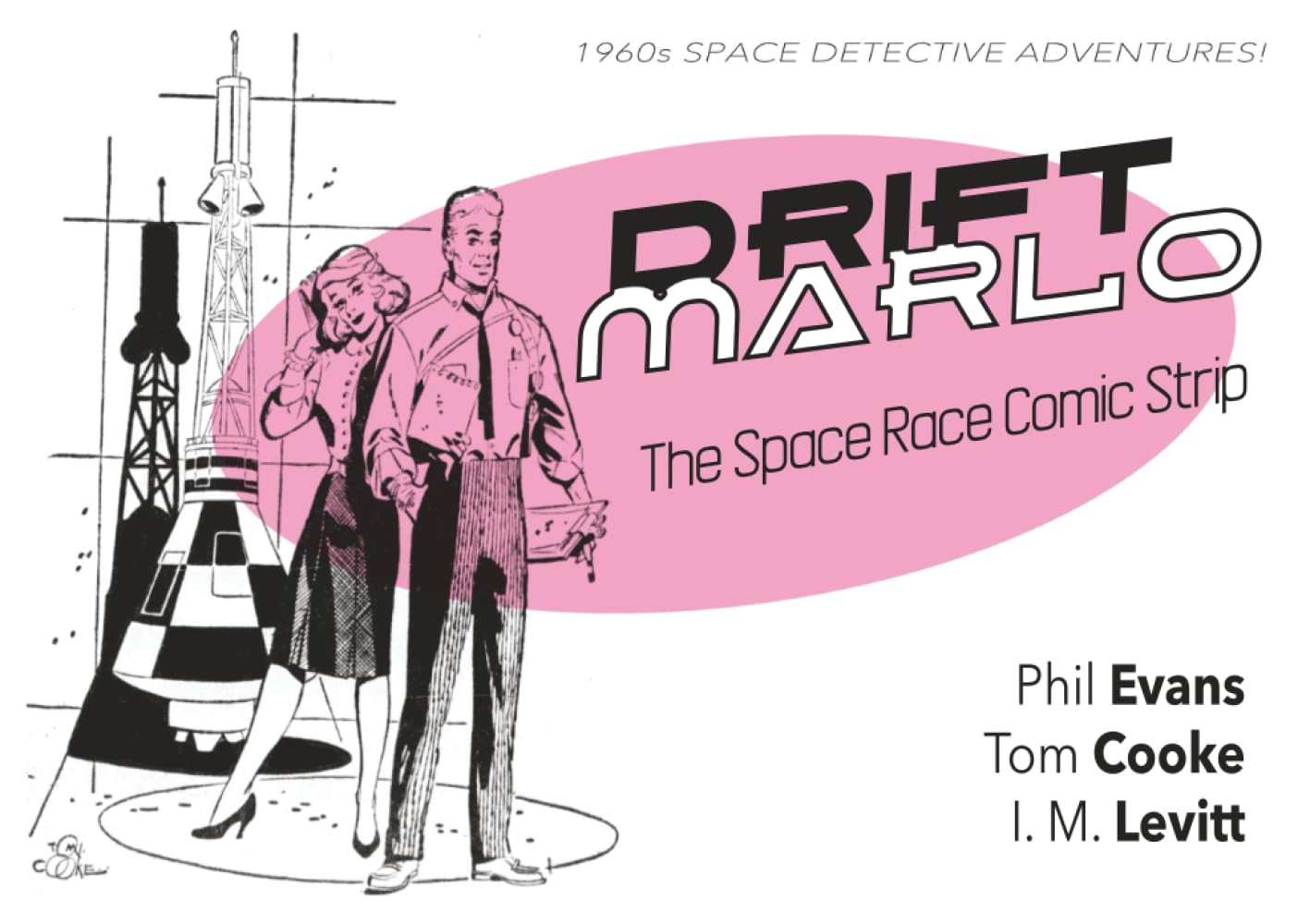
Written by Phil Evans, drawn by Tom Cook, space consulting by I. M. Levitt
It’s 1961, and as human beings are reaching space for the first time, Drift Marlo sets down in America’s newspapers. Billed as the first authentic space adventure series, it is not filled with tales of galactic princesses and brutish Martians, but with tales of a space program just a few years more advanced than where we were then, grounded in the science, the goals, and the politics of the times.
Drift Marlo is head of security for America’s space base, charged with protecting the brave astronauts, dedicated scientists, and vital mission. He handles situations from dealing with protestors to sniffing out saboteurs. But this detective is also a mystery, with a past so obscure that even he doesn’t know what it is.
Collected here for the first time are the first four Drift Marlo adventures, built up over hundreds of individual daily newspaper strips
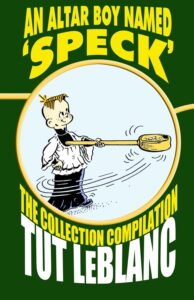
Speck is a well-intentioned, spirited, energetic, and often all-too-human boy of the cloth, there to serve, to support, and when possible, to mooch your sweet snacks.
Tut LeBlanc was a talented cartoonist who created Speck for a single, local paper, not realizing at the time that his creation would go national and outlive him by decades. Begun in 1951 during the Catholic cartoon explosion, ‘Speck’ held a special place in a world otherwise filled with Sisters, Fathers, and Brothers.
This volume collects all the cartoons from both of the original two books of Tut LeBlanc’s work: An Altar Boy Named ‘Speck’ and ‘Speck’: More Cartoons. (Also available: Speck the Altar Boy: The Collection Compilation, collecting two books of cartoons by Margaret Ahern, who took over the series after LeBlanc’s early death.)
I
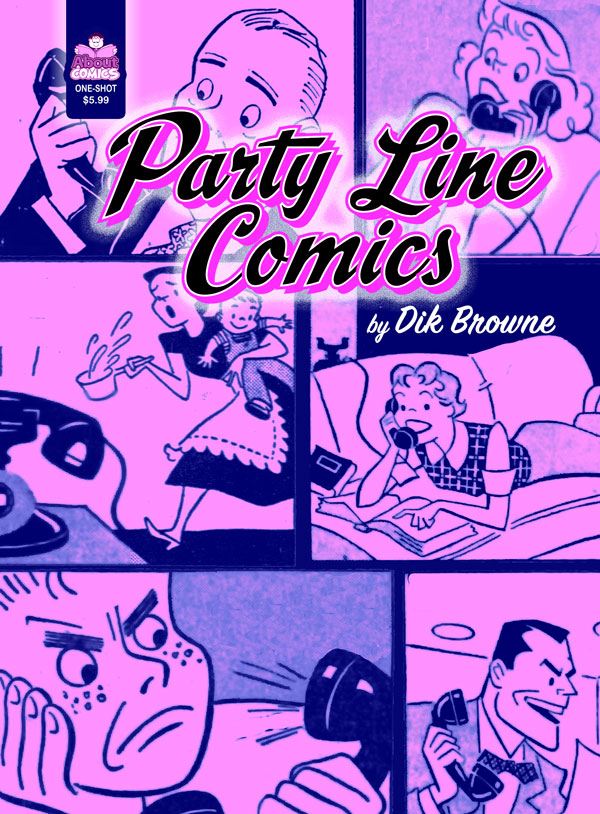
n the early 1950s, cartoonist Dik Browne, best known as the creator of Hagar the Horrible and as the original artist on Hi & Lois, drew “Life’s That Way…”, a series of six-panel comic strips to be used in ads for local telephone companies. These stories focused on teaching proper phone etiquette, particularly for users of party lines, when several households shared a single phone line.
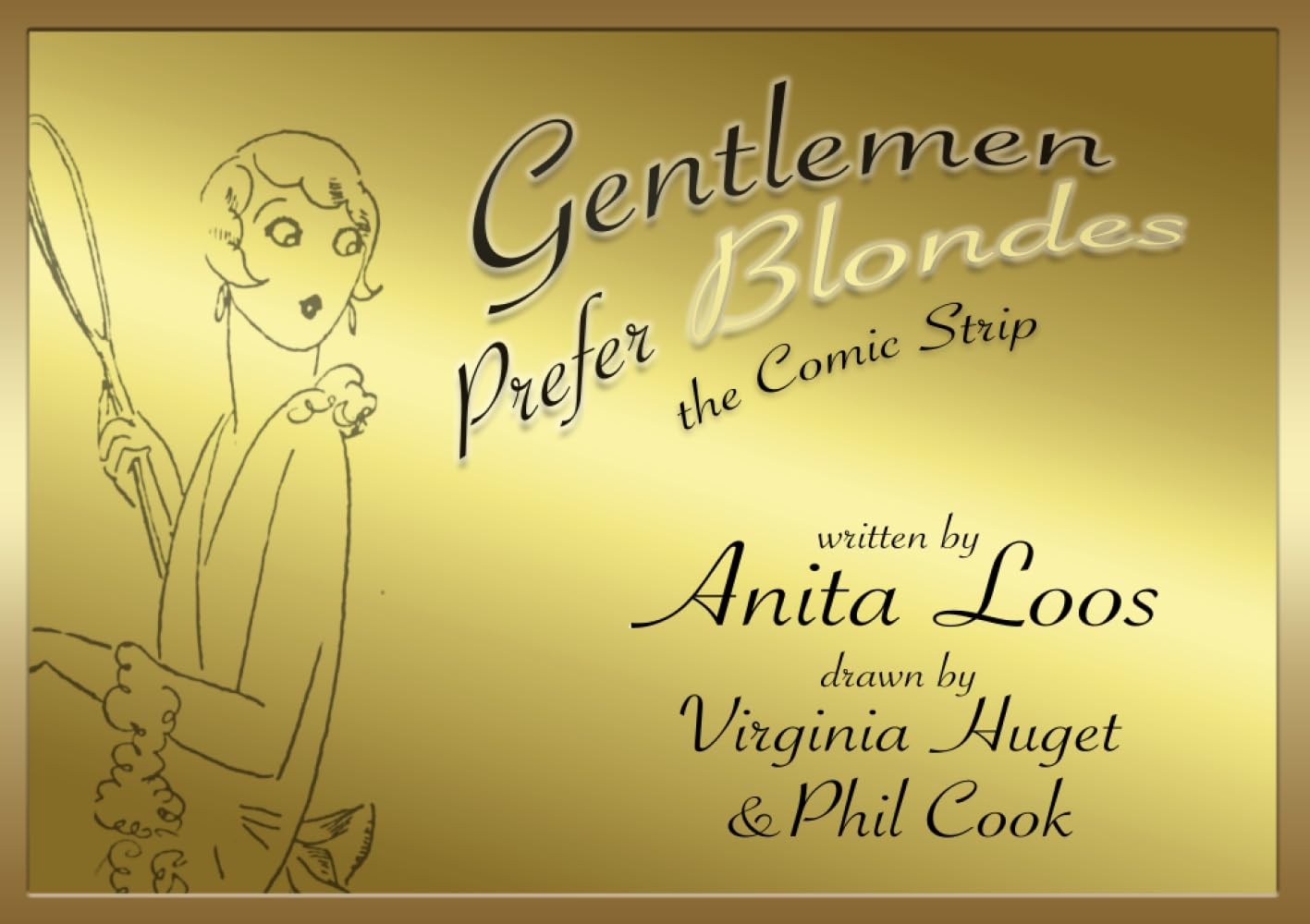
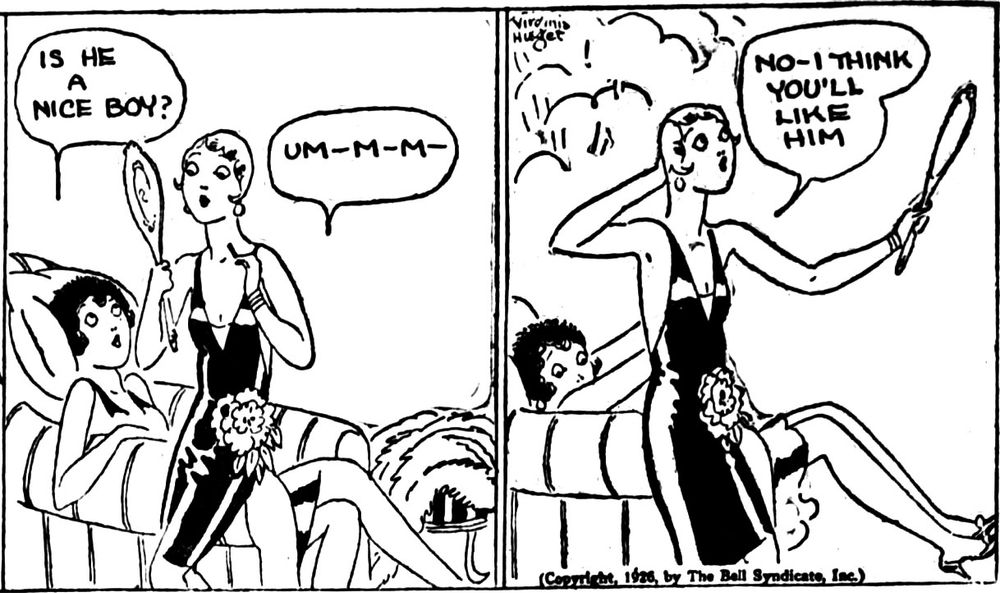
After Gentlemen Prefer Blondes became a best-selling novel but before any of the play adaptations reached Broadway or any of the film versions hit the big screen, Anita Loos brought her vapid, cunning, obsessed Lorelei Lee (and her friend Dorothy and their gentleman sponsors) to the daily paper, creating a comic strip that both adapted from and expanded on the novel. Now this long-overlooked treasure of the Jazz Age has been brought back to print, collected for the first time in this complete and full-sized edition. Over 100 strips, filled with humor and the fresh fashion of its time. Art is provided by Virginia Huget, who want on to do a series of flapper cartoon features for the front pages of newspapers’ color sections; and Phil Cook, whose brief career as a comics artist and Collier’s cover artist got set aside when he got his own syndicated radio comedy show.
Content note: This historic volume contains racial caricatures of a style that were common at the time but would be considered inappropriate today.
This 64 page paperback comes in two editions, both with the same content, but differing in size and print quality. An affordable edition, 8.5″x6″, is available through Amazon, while a more upscale edition, 11″x8.5″, is available though Lulu.com.
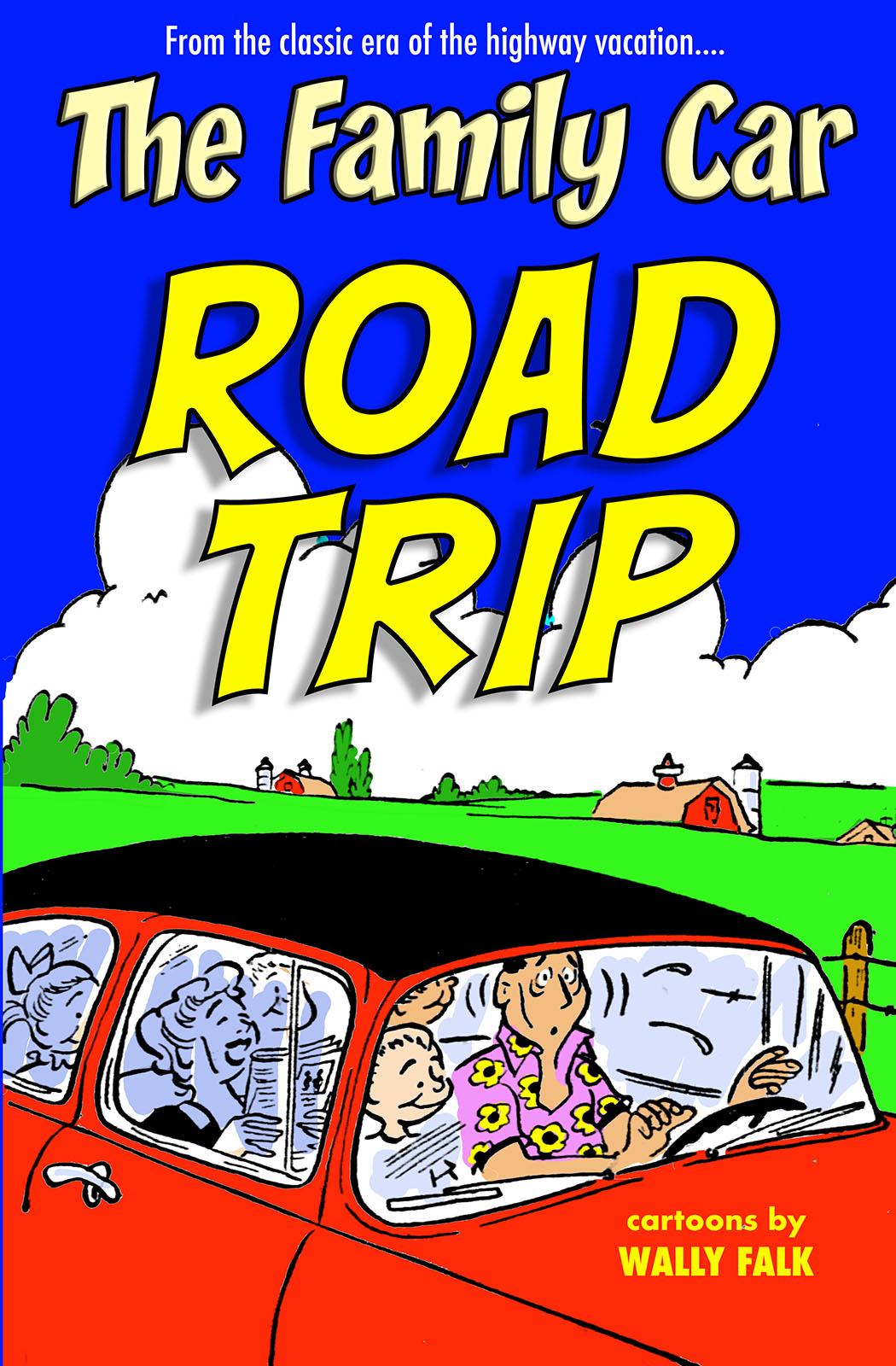
The 1950s and ‘60s were the classic era of the American road trip. With cars having become ubiquetous and airfare still unaffordable, we took our vacations in our sedans and station wagons. We traveled endless stretches of asphalt during the day by following the lines on awkwardly-folded maps or AAA Triptiks. We squeezed intogether each night at motels, motor lodges, and campsites at night. The travel time was filled with license plate games and back seat battles, with stops for gas, service station bathroom breaks, natural wonders, bizarre roadside attractions, and if you were lucky, a pecan log.
Wally Falk was there to chronicle it all. A former bus driver, he knew the nation’s roadways like few others. His daily syndicated comic panel The Family Car chronicled our love for and struggles with our vehicles and our destinations. Here is the first collection ever from that series, focusing on those family trips and the adventures of the open road.
$9.99 US

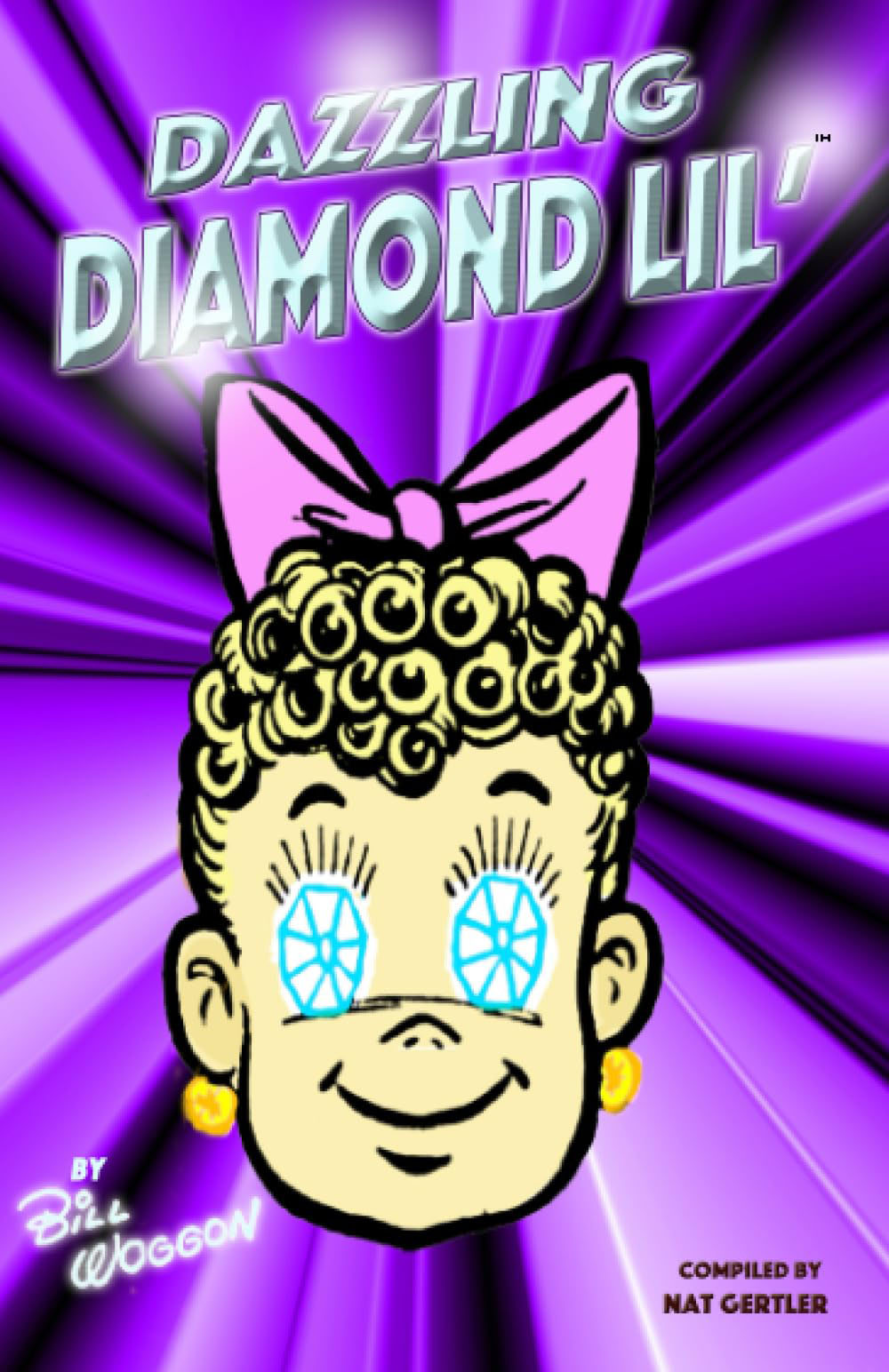
She’s a little gem with diamonds for eyes!
The year after the great Bill Woggon created Katy Keene, the comic book character who would bring him to attention and gain him the lasting love of fans, he created another special character. Diamond Lil’ reached the nation’s newspapers not on the comics page, but in jewelry store ads, where week after week she would promote the advantages of buying from the local shop, often in the most ridiculous ways. While Katy went on to a long-running comics career and ever her own TV series, Lil’ has been long forgotten and never collected… until now. Finally, over seventy years since she first saw print, her cartoons are available again for a whole new audience. Includes an introduction by Eisner Award-winning comics history writer Nat Gertler.
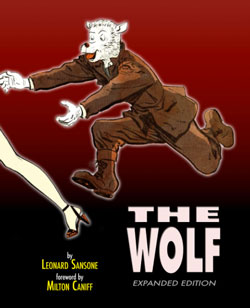
This World War II classic is back!
“Along with the jeep, the robot bomb and Spam, the wolf in GI clothing will become one of the historical mementos of World War II.” —Life
When the attack on Pearl Harbor turned Golden Age comic book and advertising artist Leonard Sansone into Pvt. Sansone, he brought his art tools and sense of humor with him. The Wolf, his comics panel about a girl-crazed soldier went quickly from being in his local camp paper to appearing in thousands of service papers wherever Americans were stationed. Here, the original 1945 edition, out of print for most of a century, is not only brought back but expanded with seventy additional post-war cartoons. Look out, ladies! The Wolf’s uniform may be gone; his obsession remains.
“Sansone’s work is marked by cleverness and originality” — Tampa Tribune
”The best in GI cartoons” — Pic
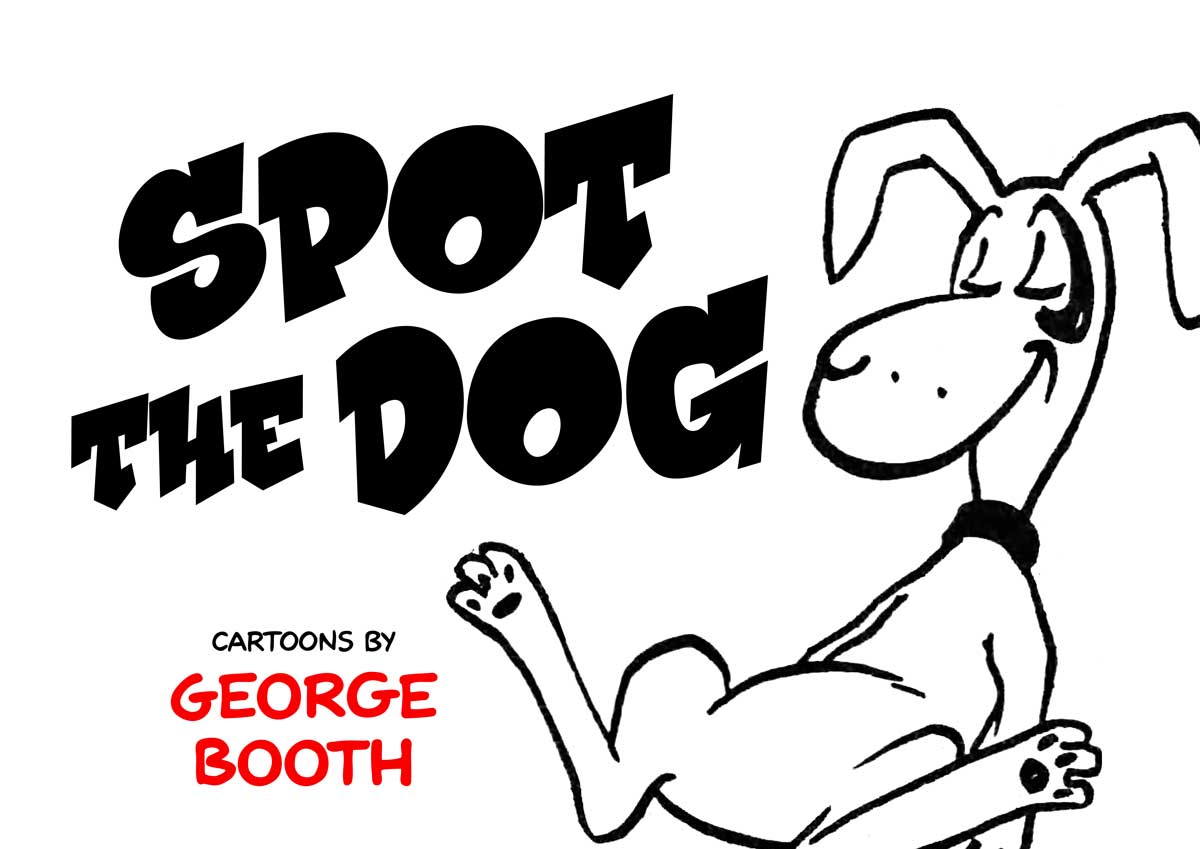
Over a decade before George Booth brought his cartooning talent to the New Yorker, where his quirky style, wry sense of the world, and quirky view of dogs would get him recognized as one of America’s premiere cartoonists, he had a daily cartoon panel appearing in newspapers. That panel, Spot, about an aware, pipe-smoking starlet-chasing mutt and the family that loves him (well, puts up with him, more or less) has never before been collected. Here you have over 150 Spot cartoons, unseen for over sixty years.
Compiled & Annotated by Nat Gertler
Foreword by Dr. Vicki Howard
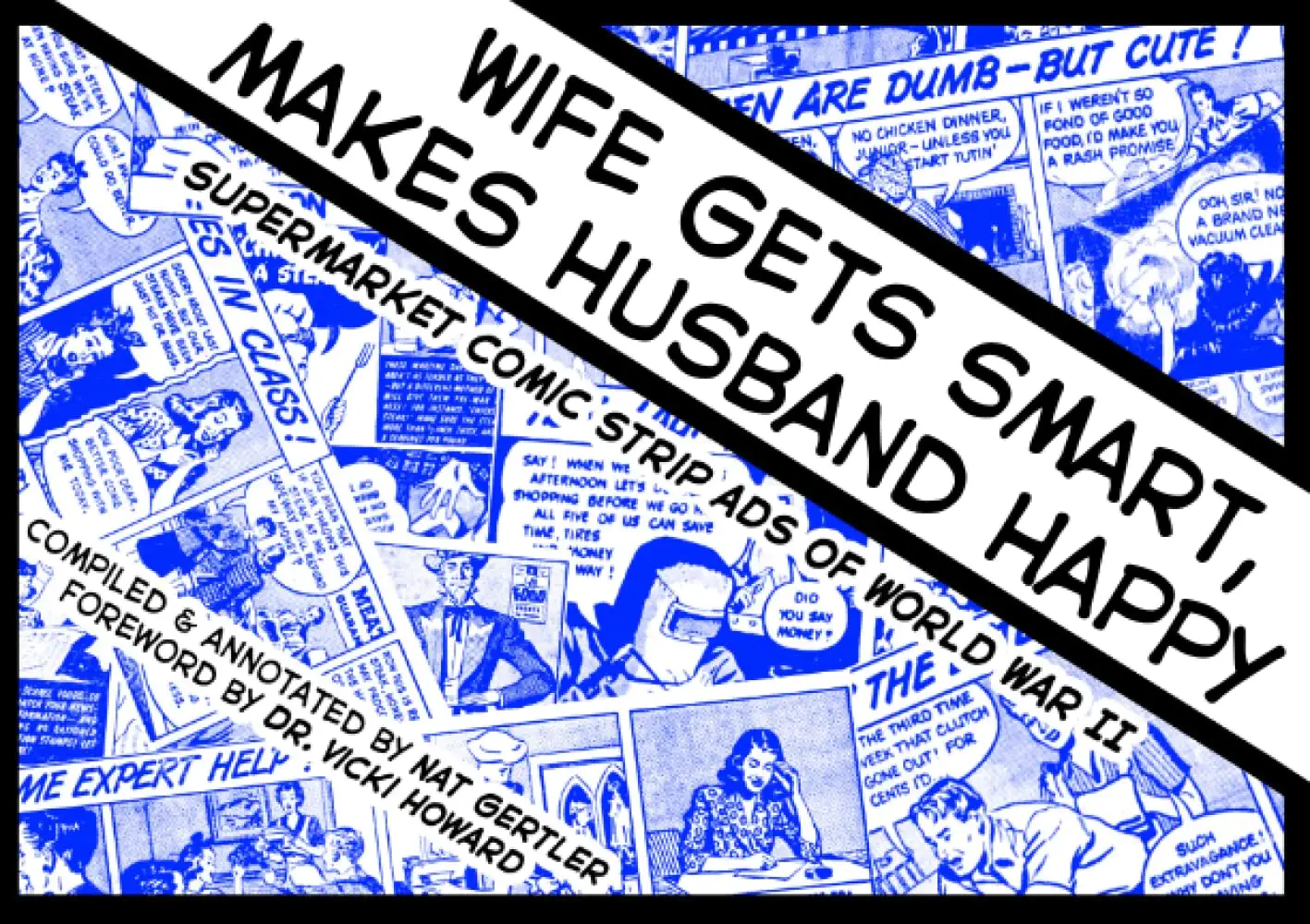
When a major American supermarket chain began including comic strips win their newspaper ads in 1941, they probably thought that it would just be a series of little tales that just reminded you to shop at their stores. But then America got pulled into the war, and the strip became an unintended chronicle of life on the homefront, with patriotism, shortages, rationing, fundraising, fears, hopes, and ultimately expectations of a better tomorrow. Here are the hundreds of strips that made up that campaign, which ran from 1941 to 1947. Plus, there’s dozens of examples of comic strips from ads for independent grocery stores from before and after the war, and as an added bonus, a healthy run of Glamorous Gloria, a hilarious strip advertising clothing stores.
“Nat Gertler’s Wife Gets Smart, Makes Husband Happy is a time capsule of comic strips that gives insight to an era in the United States where food rationing was enforced and families were encouraged to grow their own food so that more processed food was available for American soldiers. […] It’s a history book about mid-20th century America, a practical guide in using sequential art to quickly convey a message, and — if you happen to be a collector of grocery store memorabilia (yep, they exist) certain a book you’d want to have on your shelf. Grade: 5.0/5.0″ — RJ Carter, CriticalBlast.com
“The American comic industry has always had a space for small, independent publishers, and I’m glad, because it means you can sometimes stumble across something like this […] odd but strangely readable.” – Comics Worth Reading